Diesel generators have long been associated with reliability and raw power, but they have also carried a reputation for being inefficient, noisy, and environmentally harmful. In recent years significant advances in engine design, fuel technology, and emissions control have transformed how modern diesel generators perform. Today’s units are far removed from their predecessors, offering higher fuel efficiency, improved power output, and reduced environmental impact across a wide range of industries.
Efficiency in modern diesel generators is no longer measured by fuel consumption alone. It now encompasses performance under variable loads, long-term operating costs, emissions compliance, and overall reliability.
By looking at real-world applications and technological developments, we can better understand where diesel generators remain a practical and efficient power source.
Performance Efficiency of Modern Diesel Generators
For businesses and critical infrastructure projects, the improved performance efficiency is a key reason why diesel generators remain a leading choice for power generation solutions.
Advanced Engine Technology Drives Efficiency
A major factor behind the performance efficiency of diesel generators is modern engine technology. Leading manufacturers like Cummins, use high-pressure common rail fuel injection and turbocharging to maximise combustion efficiency and power output. These technologies ensure more energy is extracted from every litre of diesel fuel, improving both fuel economy and electrical output.
Pleavin Power’s partnership with Cummins brings these high-performance diesel generator sets to a range of sectors – from small commercial sites to large industrial facilities; backed by factory-trained technicians and full lifecycle support across the UK.
Load Handling and Stability Under Real-World Conditions
Performance efficiency isn’t just about peak power; it’s about how well a generator responds to changing demand. Modern diesel generators are designed to handle variable electrical loads with minimal efficiency loss. With advanced control systems, they dynamically adjust fuel delivery and engine speed, maintaining stable voltage and frequency even under fluctuating load conditions.
This capability is particularly important for applications such as data centres, hospitals and manufacturing plants, where power quality and stability can directly impact sensitive equipment and operations.
Reliability and Durability in Demanding Environments
Reliability is a primary component of performance efficiency, and modern diesel generators are engineered for long service life and robust operation. They are built to withstand extended runtimes and harsh operational environments while maintaining high efficiency and minimal downtime.
This reliability is essential for organisations that count on continuous standby or prime power.
Cost-Effectiveness of Diesel Generators
Cost-effectiveness is one of the primary reasons diesel generators continue to be widely used across the UK. While initial purchase price is often the first consideration, the true value of a diesel generator lies in its long-term operating costs, fuel efficiency, reliability, and overall return on investment. When evaluated over its full lifecycle, a modern diesel generator remains one of the most financially efficient power solutions available.
Fuel Efficiency and Operating Costs
Modern diesel generators are significantly more fuel-efficient than older models, producing more electrical power per litre of fuel consumed. Advances in engine technology, combustion control, and load management have reduced fuel wastage, particularly during part-load operation, where many generators spend much of their working life.
In the UK, diesel fuel availability and predictable pricing make budgeting simpler for businesses relying on standby or prime power. Compared to alternative solutions that depend on grid availability, charging cycles, or weather conditions, diesel generators offer a clear and measurable cost structure for ongoing operation.
Capital Investment vs Long-Term Value
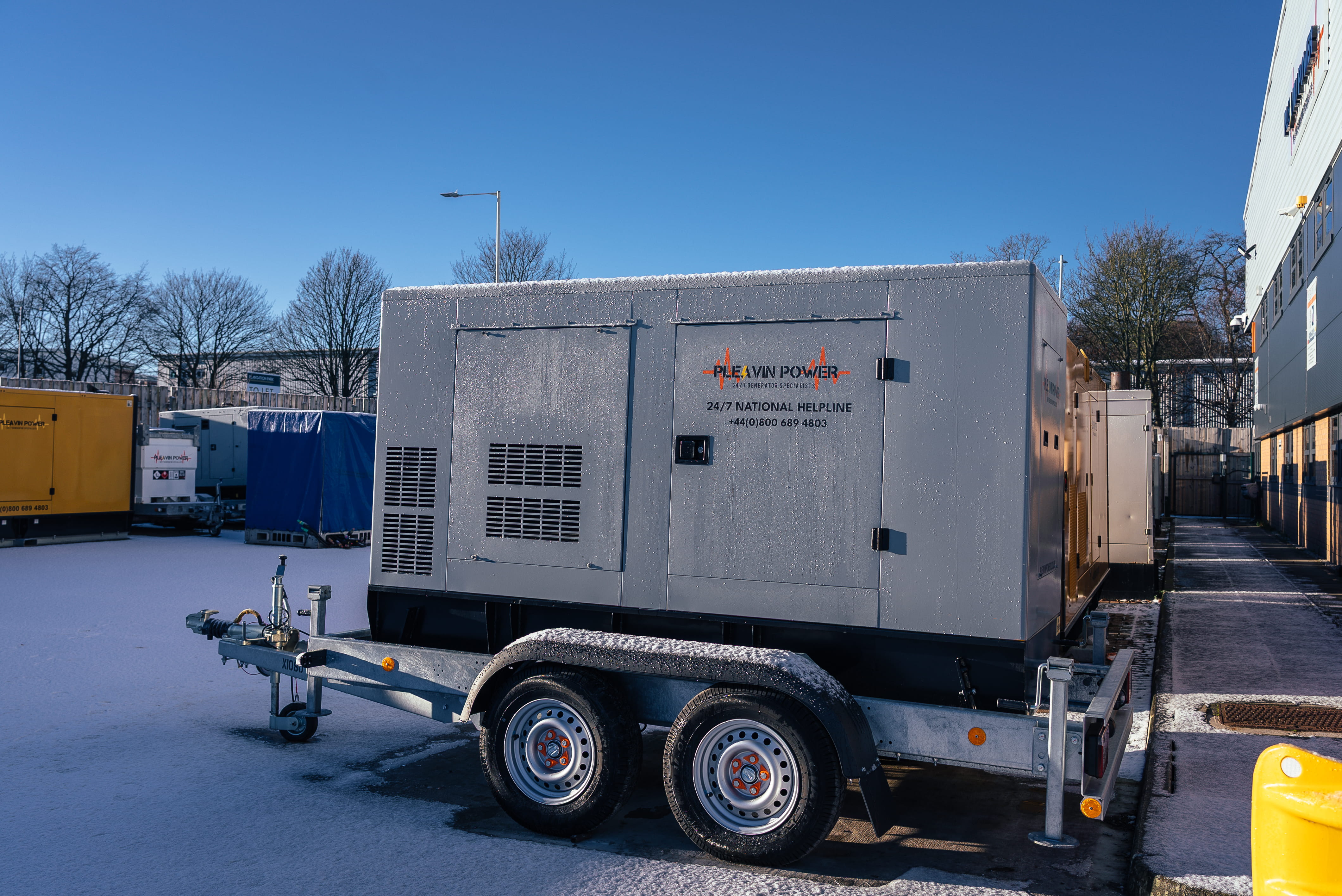
Although diesel generators may have a higher upfront cost than some short-term alternatives, their durability and longevity make them a cost-effective investment over time. A well-maintained diesel generator can operate efficiently for decades, spreading the initial capital cost across a long service life.
For commercial and industrial users, this long-term value often outweighs lower-cost options that require frequent replacement, system upgrades, or additional infrastructure investment. Modern diesel generators are also available in a wide range of capacities, allowing businesses to specify a system that closely matches their power requirements and avoids unnecessary overspending.
Maintenance Costs and Service Intervals
Routine maintenance is a known and manageable cost for diesel generators. Modern systems benefit from extended service intervals, improved component durability, and widespread availability of parts and technical support across the UK. This predictability reduces unexpected repair costs and minimises downtime.
Total Cost of Ownership (TCO)
The true measure of cost-effectiveness is total cost of ownership. This includes purchase price, fuel consumption, maintenance, compliance costs, and system lifespan. In many applications diesel generators consistently deliver a lower total cost of ownership than alternative power solutions.
Crucially, diesel generators also reduce the financial risk associated with power outages. The cost of downtime, lost productivity, and operational disruption often far exceeds the running costs of a reliable standby generator, reinforcing diesel’s value as a dependable and economically sound power solution.
Cost Predictability for Businesses
For organisations planning long-term energy resilience, cost predictability is a major advantage of diesel generators. Fuel usage, servicing schedules, and compliance requirements are well understood, making it easier to forecast operational expenses. This contrasts with technologies that rely on evolving infrastructure, variable energy availability, or emerging regulatory frameworks.
Environmental Impact of Diesel Generators
While diesel power has traditionally been associated with high emissions, advances in engine technology, fuel quality, and emissions control systems have significantly reduced the environmental impact of today’s generators. In the UK, diesel generators are designed to meet strict regulatory standards while continuing to deliver reliable and efficient power.
Emissions Reduction Through Modern Technology
Modern diesel generators used in the UK are required to comply with Stage V emissions regulations, which represent some of the most stringent standards in the world. These regulations have driven the adoption of advanced emissions control technologies, including diesel particulate filters (DPF) and selective catalytic reduction (SCR) systems.
Cleaner Fuels and Compatibility Improvements
Fuel quality has also played a major role in reducing the environmental impact of diesel generators. The widespread use of ultra-low sulphur diesel (ULSD) in the UK has lowered sulphur emissions and enabled the effective operation of modern after-treatment systems.
Noise Reduction and Local Environmental Considerations
Environmental impact is not limited to exhaust emissions alone as noise pollution is a key concern. Modern diesel generators are equipped with advanced acoustic enclosures and vibration isolation systems, significantly reducing operational noise levels.
Efficiency and Reduced Carbon Impact
Improved efficiency directly contributes to reduced environmental impact. By producing more power from less fuel, modern diesel generators generate lower emissions per unit of electricity. This increased fuel-to-power efficiency means fewer refuelling requirements and reduced overall fuel consumption across the generator’s operating life.
For applications where continuous, high-load power is required, this efficiency advantage can result in a lower carbon impact compared to less reliable or intermittent power sources that require frequent backup or redundancy.
A Practical Approach to Sustainable Power
While renewable energy and battery storage systems play an important role in the UK’s long-term decarbonisation goals, modern diesel generators remain a necessary and practical component of resilient energy strategies. Their environmental performance has improved substantially, and when used appropriately they offer a balanced solution between reliability, efficiency, and emissions compliance.
As technology continues to evolve, diesel generators are increasingly being integrated into hybrid systems, working alongside renewables and energy storage to further reduce environmental impact while ensuring dependable power supply.
Comparison with Alternative Power Solutions
When comparing diesel generator efficiency with alternative power generation solutions, modern diesel generators continue to offer strong performance in reliability, load handling, and runtime flexibility. While renewable energy systems and battery storage play an increasing role in reducing emissions, diesel generators remain one of the most efficient and practical solutions for standby power, backup generators, and off-grid power applications where consistent energy supply is essential.| Efficiency Factor | Modern Diesel Generators | Natural Gas Generators | Renewable Power Systems |
|---|---|---|---|
| Power Generation Reliability | High reliability and consistent output, ideal for UK businesses and critical services | Reliable where gas supply is stable | Intermittent output; less suitable for critical infrastructure |
| Runtime and Energy Capacity | Extended runtime with straightforward refuelling | Continuous runtime with uninterrupted gas supply | Limited without hybrid storage solutions |
| Capital Investment Cost | Moderate and predictable upfront cost for commercial and industrial applications | Moderate to high, infrastructure dependent | High installation costs for panels and turbines |
| Operating and Fuel Costs | Predictable diesel fuel and maintenance costs, easy for budgeting in the UK | Lower fuel cost, but supply can vary | Very low operating cost once installed |
| Suitability for Remote or Off-Grid Power | Highly suitable for remote UK sites, rural farms, and construction locations | Poor without gas infrastructure | Requires hybrid systems for reliable off-grid supply |
Are Modern Diesel Generators Efficient?
Modern diesel generators deliver reliable, fuel-efficient power that businesses throughout the UK can count on. With advanced engines, rapid load response, and long service life, they combine high performance with predictable operating costs, making them a cost-effective choice for standby, prime, and off-grid applications.
Thanks to Stage V-compliant emissions controls and compatibility with cleaner fuels, they also meet today’s environmental standards without compromising reliability. For businesses, critical infrastructure, and remote sites, modern diesel generators remain a practical, efficient, and dependable power solution.